Op 10
Survey
We spend time with the people doing the work, watch real cases and collect the spreadsheets, forms and exports involved. Output: a process map and a list of candidate improvements with rough effort.
GIFF LTD / Leicester / Internal business systems
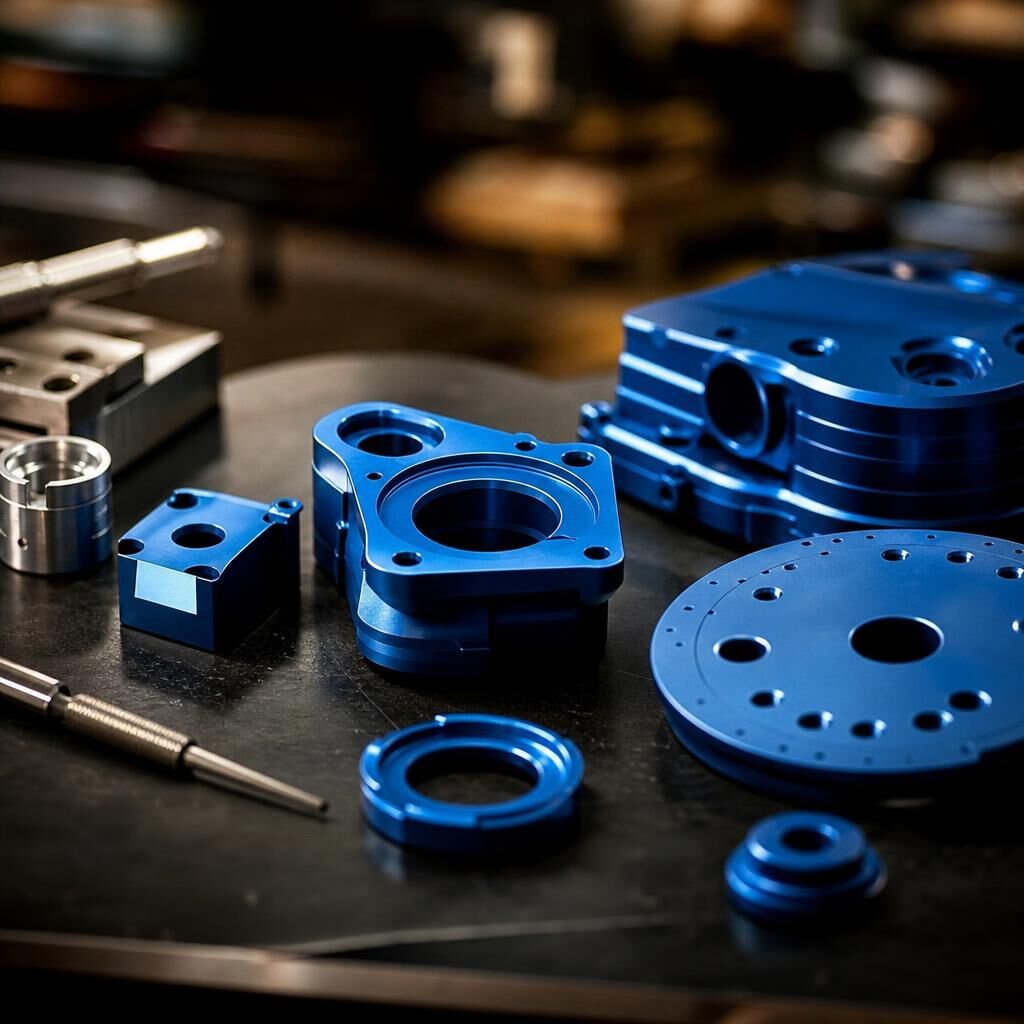
GIFF designs and builds internal business systems and process automation for organisations that have outgrown spreadsheets, email chains and copy-and-paste. Purpose-made tools for stock, orders, jobs, approvals, scheduling and reporting, built with the people who use them every day.
01 / The job
Behind every order, invoice and job sheet is a sequence of manual steps: a spreadsheet exported from one system and pasted into another, an email that has to be forwarded to the right person, a figure checked by eye every Friday. Each step is small. Together they eat days every month and make the business depend on whoever knows the sequence.
We find that machine, take it apart and rebuild the parts that are worth rebuilding as reliable software. Some of it becomes a proper internal system with its own database and screens. Some becomes automation that moves data between tools you already own. Some stays manual, because it should.
We are a software company. We do not sell a platform, a subscription or a set of templates. Everything we build is made for the client and handed over in full.
02 / Parts list
| Part | What it does | Typical inputs |
|---|---|---|
| Operations systems | Track jobs, orders, stock or assets through each stage with clear owners and states. | Your current spreadsheets, forms and job sheets |
| Workflow automation | Move data between your accounting, CRM, email and storage tools without retyping. | Access to the tools' APIs or exports |
| Approvals and requests | Purchase requests, holiday, expenses or changes routed to the right approver with a record. | Your approval rules and thresholds |
| Scheduling tools | Allocate people, vehicles, rooms or machines with conflict checks and a shared view. | Resources, constraints and booking rules |
| Reporting pipelines | Pull figures from several systems into one consistent, scheduled report. | The reports you assemble by hand today |
| Internal portals | A single place for staff to find forms, records and current procedures. | Documents and the questions staff ask most |
We measure twice. Build once. Then hand you the drawings.
Every project starts with measurement: the real steps, the real volumes, the exceptions that happen every week. Only then do we decide what to build. And when it is built, you get the source code, the documentation and the knowledge to run it.
03 / Interactive
List the steps of one process that annoys you, mark how often each happens and whether it follows a rule. The process bench sorts them into automate now, systemise, and leave manual, with a reason for each. It runs in your browser and stores nothing.
Open the process bench04 / Shop-floor method
Op 10
We spend time with the people doing the work, watch real cases and collect the spreadsheets, forms and exports involved. Output: a process map and a list of candidate improvements with rough effort.
Op 20
A written specification and screen prototypes for the parts worth building, with data model, integrations, exclusions and a price. You approve before we cut anything.
Op 30
Fortnightly releases to a test environment your staff can use. Real data imported early, so problems with it surface early.
Op 40
Go-live with a fallback plan, training at the bench, a short operator manual and full technical documentation.
05 / Good fit, poor fit
06 / Tolerances
Ownership You own the code, data and hosting accounts. No lock-in clauses.
Estimates Given as ranges with stated assumptions, revised in writing if assumptions change.
Integrations Built only on documented APIs or agreed exports; fragile links are flagged before build.
Security Least-privilege access, encrypted transport, secrets out of code. Not a certified security provider.
Hours Monday to Friday, 09:00 to 18:00 UK time (Europe/London, GMT/BST). No 24/7 promise.
Claims No invented clients, savings figures or case studies on this site.
07 / Spec library
08 / Inputs and outputs
The usual trade-off is between speed and fit. A connector service can join two tools in an afternoon, but every edge case becomes a manual workaround. A purpose-built system takes longer, yet absorbs those edge cases properly. We price both routes where both are realistic, and say which we would choose with our own money.
09 / Questions at the bench
Often, yes. If an established product covers most of your process, buy it and we can automate the gaps around it. We build when your process is genuinely specific or when joining several tools is the real problem.
Mainstream, well-supported ones, chosen so that another developer can maintain the result. We explain the choice in the specification and avoid anything exotic without a clear reason.
Usually. We assess its structure and quality during the survey and will tell you if cleaning or migration is needed first.
Optional maintenance from the maintenance bay: fixes, updates and small changes during working hours, under a written agreement.
Report faults or request changes at the maintenance bay. We need the screen, the time and what you expected, never passwords.
Describe it in a few sentences. We reply within two working days with questions or a suggested survey.
Open a job ticket